Concrete Steps & Stairs
Safe, durable steps and stairs built to code standards for comfortable access to your home or property.
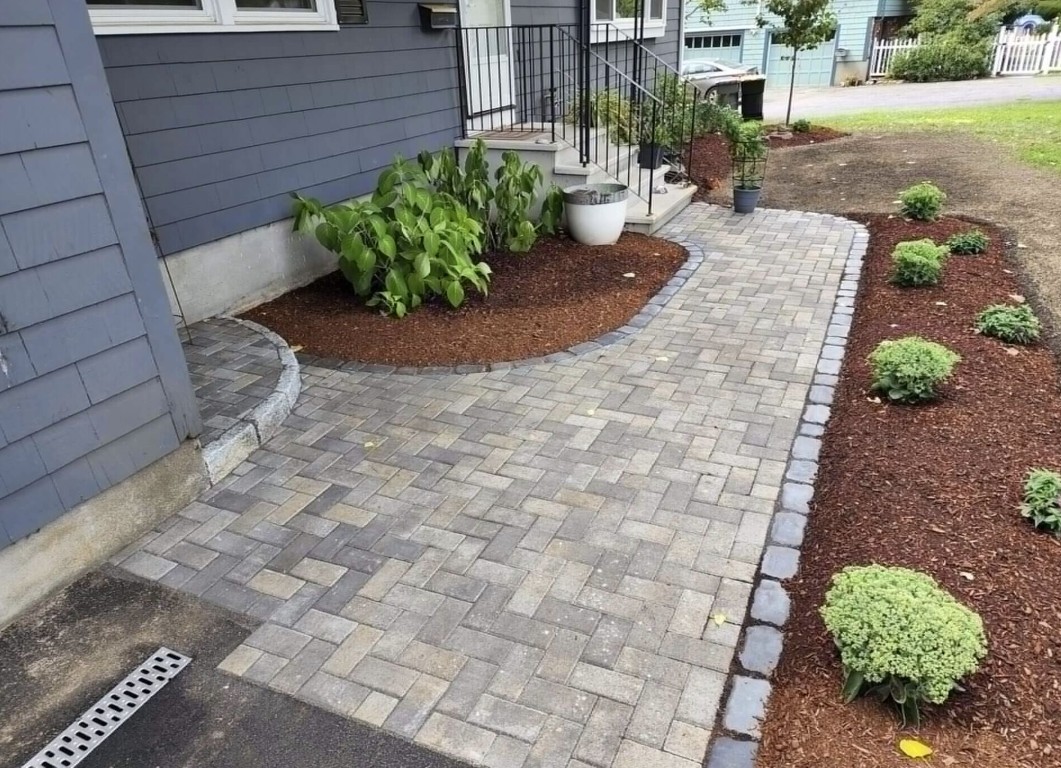
Why Concrete Steps Matter
Steps and stairs provide critical access to your home and need to be safe, stable, and built to last. Poorly designed or deteriorating steps create serious safety hazards including trips, falls, and injuries. At STC St George Concrete, we build concrete steps that meet building codes, provide secure footing, and hold up to years of daily use and weather exposure.
Concrete offers significant advantages over wood or metal for exterior steps. The material does not rot, rust, or deteriorate the way other materials do. Properly built concrete steps stay level and stable without shifting or separating. The monolithic construction means no loose boards or wobbly railings. You get a permanent structure that requires minimal maintenance beyond occasional cleaning and sealing.
Your entry steps also contribute to your home's curb appeal and first impression. Cracked, settled, or ugly steps detract from your property's appearance and value. Well-designed concrete steps can be finished to match your home's style, from simple functional stairs to more decorative options with stamped patterns, colored concrete, or custom shapes. We create steps that are both functional and attractive.
Common Concrete Step Applications
- Front entry steps from grade to porch or door
- Side or back door access steps
- Garage or basement entry stairs
- Deck or patio access from different levels
- Interior basement or crawl space stairs
- Commercial building entries and fire exits
- Retaining wall steps for grade changes
- Garden or landscape steps through sloped yards
Step Design and Building Code Requirements
Critical Dimensions and Safety Standards
Building codes specify exact requirements for step dimensions to ensure safety and comfortable use. Risers, the vertical part of each step, typically must be between 4 and 7.75 inches high. Treads, the horizontal walking surface, must be at least 10 to 11 inches deep. All risers in a stairway need to be within 3/8 inch of the same height, and all treads must match within the same tolerance. These consistent dimensions prevent trips and falls.
Steps also need adequate width, typically 36 inches minimum for residential entries. Handrails are required for stairs with more than three risers, and the rails must meet specific height and grip requirements. Landings at doors must be large enough for the door swing and provide level surfaces. We design all our step installations to meet or exceed these code requirements because proper dimensions make steps safe and comfortable to use.
Slope, Drainage, and Foundation
Concrete steps need solid foundations to prevent settling that can make them unsafe. We typically excavate below frost depth and pour footings that support the entire stair structure. For steps attached to buildings, we ensure proper connections that allow slight independent movement without causing cracks. Steps also need slight forward slope on treads for water drainage so puddles do not form and freeze.
We also consider how water flows around steps. Poor drainage can undermine footings or create ice hazards in winter. Our designs include proper grading and sometimes drainage systems to manage water effectively. These details prevent problems and extend the life of your steps. Many step failures result from settlement or water damage that could have been prevented with proper initial construction.
How We Build Concrete Steps
Building concrete steps starts with accurate measurements and calculations to determine the correct number of steps and exact dimensions. We measure the total rise from bottom to top, then divide by the ideal riser height to get the number of steps needed. This calculation ensures uniform step heights and comfortable climbing. Getting the math right at the start prevents problems later.
Next, we excavate and install footings that provide stable support. For steps attached to buildings, we typically pour footings that extend below the frost line to prevent heaving. Freestanding steps like those in landscape applications need footings sized for the step load and soil conditions. We also install reinforcement like rebar to add strength and tie the structure together.
Building forms for steps requires precision because the forms define the final shape and dimensions. We construct forms for each riser using dimensional lumber or form materials, setting them to exact heights and checking level carefully. The forms must be strong enough to hold the concrete's weight and pressure during pouring. Weak forms can bow or shift, ruining the step dimensions.
During the pour, we place concrete carefully to avoid moving forms or reinforcement. We consolidate the concrete thoroughly to eliminate air pockets, especially around riser forms. After initial set, we finish the tread surfaces with appropriate texture for traction. For steps connecting to patios or walkways, we coordinate textures and colors to create cohesive design. After adequate curing, we strip forms and clean up any rough edges for a finished appearance.
Frequently Asked Questions
Need New or Replacement Steps?
Get safe, code-compliant concrete steps from STC St George Concrete. Contact us for a free consultation and estimate.
Call (435) 879-3156