Sidewalks, Walkways & Flatwork
Professional installation of sidewalks, walkways, and concrete flatwork that enhances safety and curb appeal.
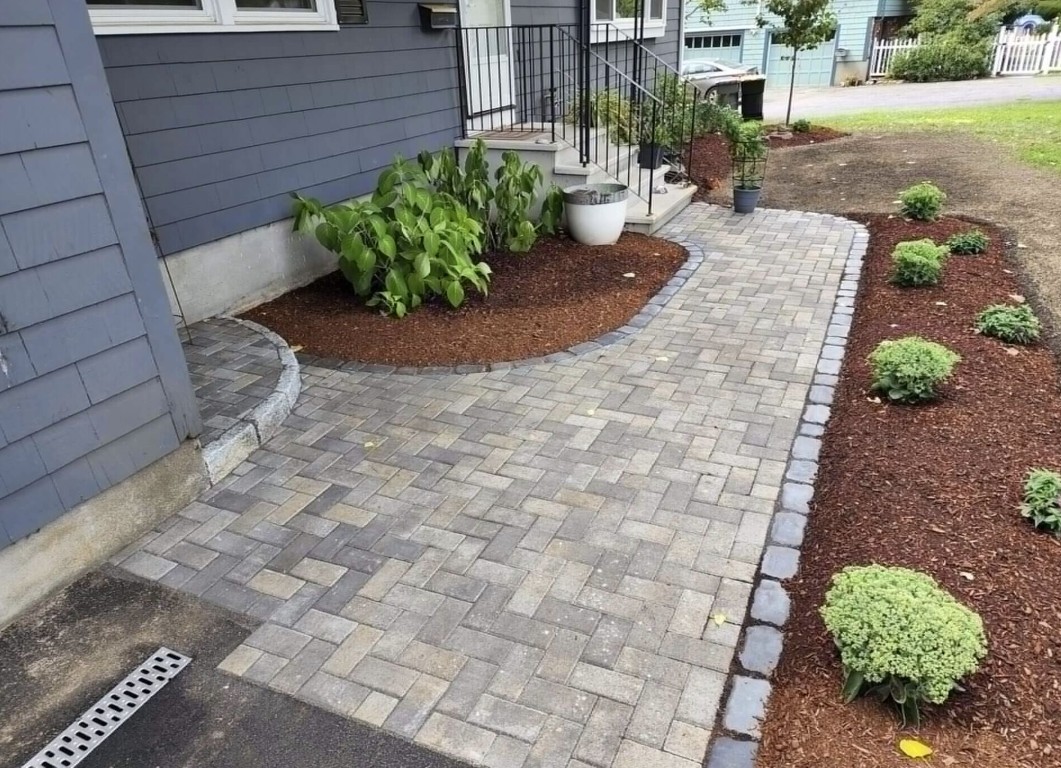
Why Quality Walkways Matter
Sidewalks and walkways create safe paths for moving around your property. They protect your landscaping from foot traffic, prevent dirt and mud from being tracked into your home, and provide stable surfaces that work in all weather conditions. A well-designed walkway system also adds visual appeal and can increase your property value by improving overall curb appeal and functionality.
Concrete makes excellent sense for walkways because it provides a smooth, level surface that is easy to navigate and maintain. Unlike gravel that shifts or wood that rots, concrete walkways stay put and hold up to constant foot traffic without deteriorating. The surface can be textured for traction, sloped for drainage, and shaped to follow your landscape design. At STC St George Concrete, we install walkways that are both practical and attractive.
Flatwork refers to any horizontal concrete surface, including sidewalks, walkways, entry paths, courtyard surfaces, and various pads or aprons around your property. These surfaces need proper installation to prevent settling, cracking, or drainage problems. We bring the same attention to detail to flatwork projects as we do to larger installations like driveways and patios, ensuring quality results that last.
Common Flatwork Applications
- Front entry walkways from driveway or street to your door
- Side yard paths connecting different areas of your property
- Backyard walkways through gardens or to outdoor structures
- Public sidewalks along property frontage
- Courtyard and breezeway surfaces
- Trash enclosure pads and utility access paths
- RV or boat parking pads
- Equipment pads for air conditioners, generators, or storage
Designing Your Walkway System
Width and Layout
Walkway width depends on how the path will be used. A main entry walk should be at least 4 feet wide to allow two people to walk side by side comfortably. Side paths and utility walkways can be narrower, typically 3 feet. Wider walkways feel more inviting and work better if you ever need to move furniture or equipment along the path.
The layout should follow natural traffic patterns and create the most direct, logical routes between destinations. We can design straight paths for a formal look, gentle curves that follow your landscaping, or custom shapes that work around existing trees, gardens, or other features. Good walkway design considers where people actually walk, not just where a straight line would go.
Surface Finish Options
Surface finish affects both safety and appearance. A broom finish provides good traction and works well for most walkways. Exposed aggregate creates an attractive textured surface that is slip-resistant and hides minor wear. Smooth finishes look clean and modern but can be slippery when wet, so we usually reserve them for covered areas. You can also add decorative stamping or coloring for a more distinctive look.
We also install proper slopes for drainage so water runs off the walkway surface rather than pooling. This prevents slippery conditions and ice formation in winter. For walkways near landscaping, we make sure water drains away from planting beds and your home's foundation. These details matter for long-term performance and safety.
Accessibility and Code Compliance
Public sidewalks and commercial walkways must meet specific building codes and accessibility standards. This includes maximum slopes, minimum widths, edge protection, and surface requirements. Even residential walkways benefit from universal design principles that make them easier for everyone to use, including people with mobility limitations, parents with strollers, and anyone carrying items.
We stay current with local building codes and can design walkways that meet or exceed required standards. If your project needs permits or inspections, we handle coordination with local authorities to ensure compliance. Doing things right from the start avoids problems and gives you walkways that serve all users safely.
Professional Walkway Installation
Installing quality walkways starts with proper site preparation. We excavate to the correct depth, typically 6 to 8 inches for most residential walkways. Deeper excavation may be needed in areas with poor soil or where heavy loads are expected. We remove roots, rocks, and unstable material, then compact the subgrade to create a firm foundation.
Next, we add a gravel base layer that provides stable support and helps with drainage. The base material gets spread evenly and thoroughly compacted. This step is critical because poorly compacted base material leads to settling and cracking later. We also install any necessary forms to define edges and set the proper grade for drainage.
For the concrete pour, we use appropriate mix designs and thickness for the application. Most walkways use 4-inch-thick concrete, which is adequate for foot traffic and light wheeled equipment. Areas that might see vehicle traffic need to be thicker. We place reinforcement like wire mesh to add strength and control cracking, then pour and finish the concrete using techniques appropriate for the desired surface texture.
After finishing, we cut control joints at regular intervals to manage the natural cracking that occurs as concrete cures and experiences temperature changes. These joints guide any cracking to planned locations where it will not be objectionable. We also protect the fresh concrete during curing to ensure it develops full strength and durability.
Frequently Asked Questions
Ready to Install Your New Walkway?
Contact STC St George Concrete for professional walkway and flatwork installation. We will design a solution that works for your property and budget.
Call (435) 879-3156